
Permanently dry masonry.
With proven waterproofing technology.
To protect against rising damp and lateral moisture ingress, the product is applied by qualified regional specialist partners.
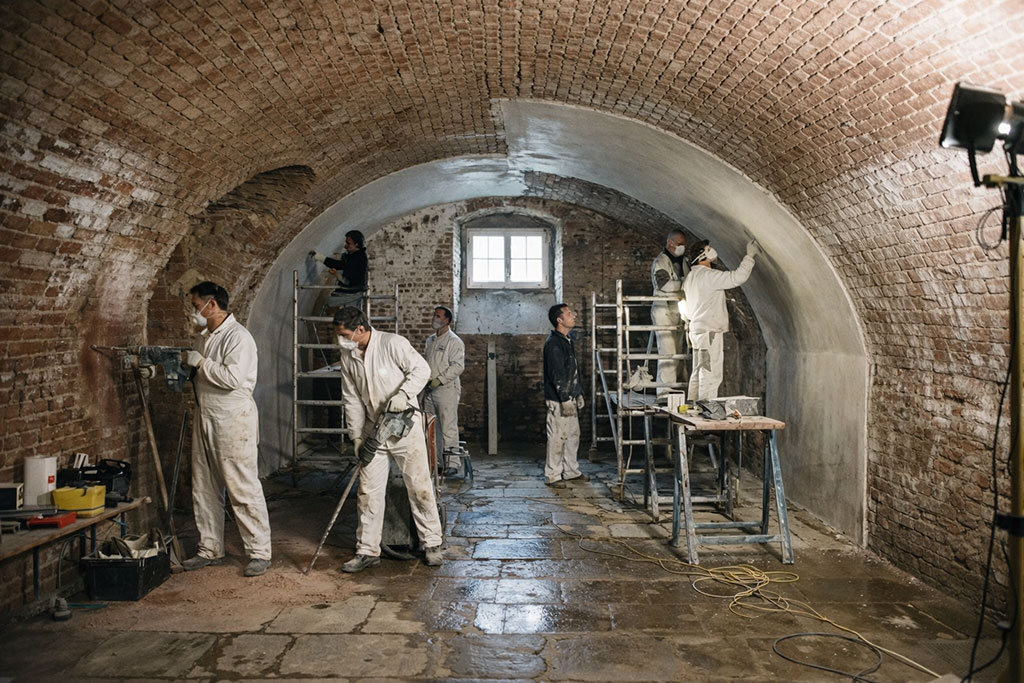
Waterproofing technology for masonry based on polymers.
This technology works horizontally and vertically through the natural capillary pathways in masonry, stopping capillary moisture without affecting water vapour diffusion or the building's natural drying process.
As a result, masonry remains breathable and can dry out naturally. It is suitable for existing buildings, including older and heritage-protected structures.
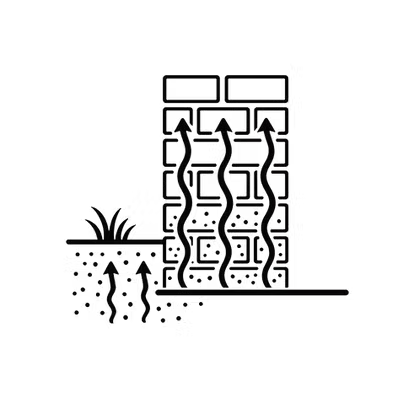
Capillary Rising Damp
Capillary rising damp occurs when moisture from the ground rises into the masonry via the capillary pore system, spreading throughout the building material.
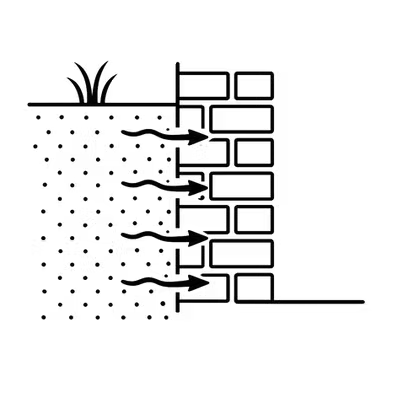
Lateral Moisture Ingress
Lateral moisture ingress. Moisture can penetrate plinth and wall areas laterally, for example in structural components that are in contact with the ground, or where waterproofing is missing.
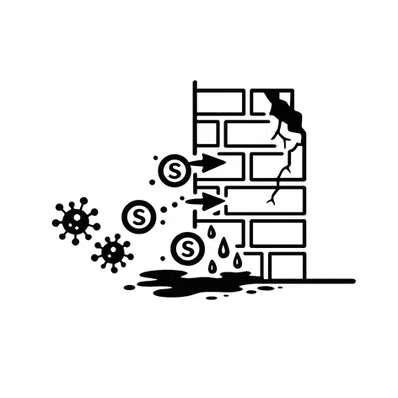
Consequences of moisture
The consequences of moisture Saturation can lead to salt contamination, damage to plasterwork and mould growth. It can also cause long-term damage to the building's structure.
Permanent Protection
Unlike conventional damp-proofing methods that only create a local barrier, wetBloc works throughout the masonry's pore and capillary network. By reducing capillary moisture transport horizontally and vertically while maintaining vapour permeability, wetBloc provides a long-term solution that helps protect your building from rising damp and lateral moisture.
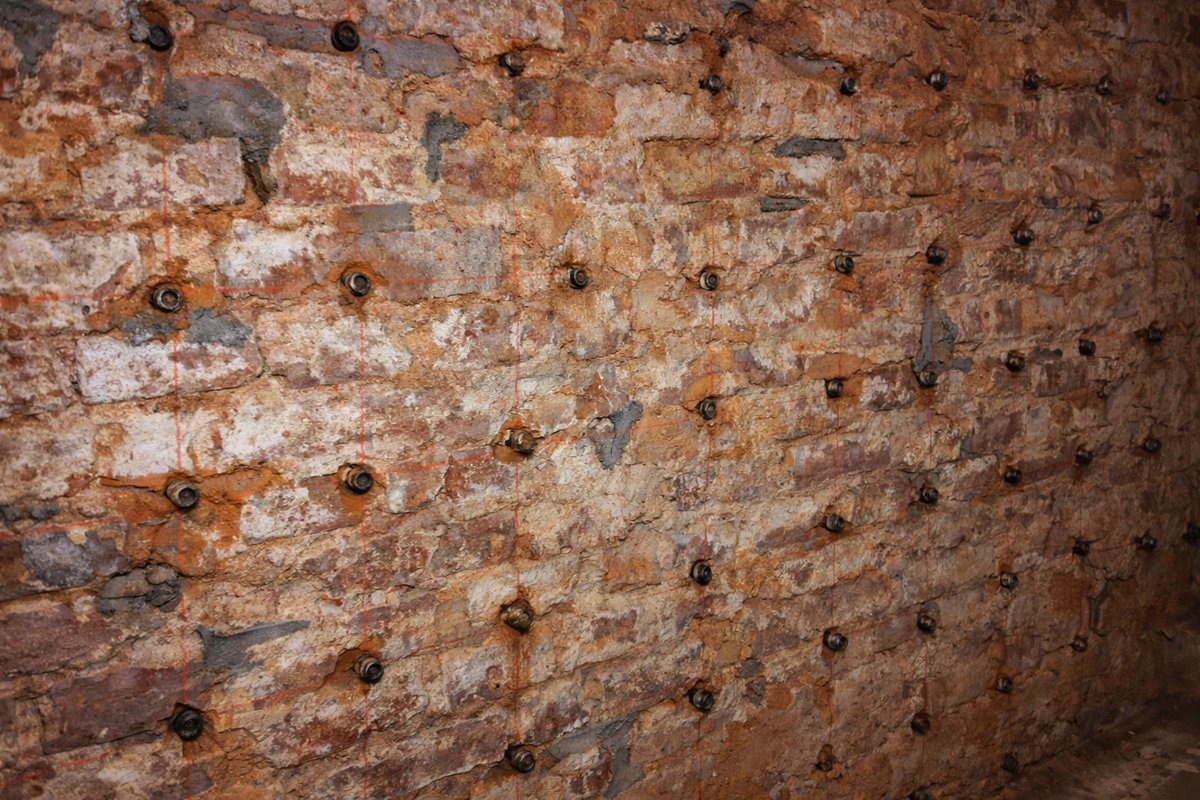
Construction Engineering Excellence
Technical Precision
Advanced moisture barriers designed for high-performance masonry systems.
Material Integrity
Preserving the structural integrity of historic and modern architectural masonry.
System Reliability
Long-term protection against rising damp and lateral moisture infiltration.
German Engineering
High-quality materials and precision installation for superior moisture management.
Frequently Asked Questions
What are the primary sources of moisture in masonry?
Rising damp, lateral moisture infiltration, and condensation are the primary threats to building integrity and structural longevity.
How does wetBloc technology prevent moisture ingress?
Our solutions utilize advanced hydrophobic coatings and precision-engineered barriers that actively repel water while maintaining thermal efficiency.
Is moisture management a one-time installation?
While initial installation is a one-time event, regular maintenance and monitoring are essential to ensure long-term protection and performance.
How does wetBloc protect historic buildings?
We specialize in non-invasive, high-precision treatments that respect the original architectural fabric while providing robust moisture protection.
What are the benefits of German engineering?
Our solutions are backed by decades of technical expertise and rigorous testing, ensuring maximum durability and long-term structural stability.
Expert Engineering Support
For technical inquiries, project consultations, or specialized moisture management solutions, our engineering team is available to assist you with precision and technical expertise.
- Phone
- +34 692 56 61 33
- Location
- Mallorca, Balearic Islands, Spain.